
 eBookDost
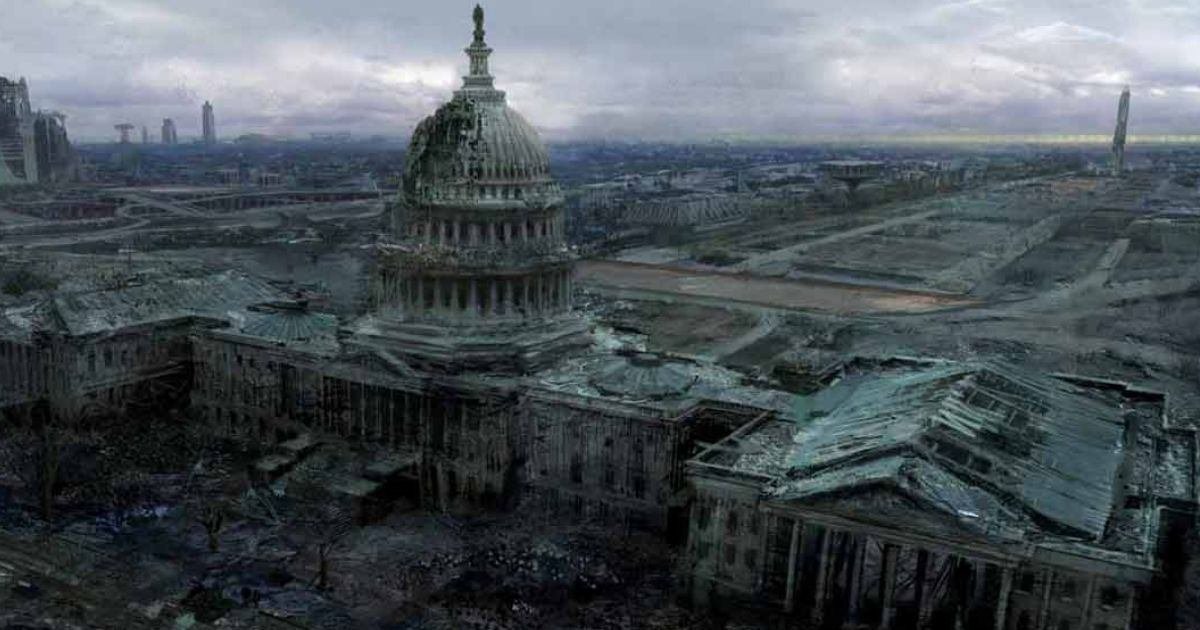
Imagine the following scenario. Night falls, and suddenly, all the lights go out. At first, it seems like just another common power grid failure. However, hours pass, and the power does not return. Water stops flowing from the faucets. Supermarkets close their doors, and food deliveries are suspended. Worst of all is the silence of your cell phone. There is no internet signal, no access to your bank account, and news simply stops arriving. No official explanation is broadcast. Just a deep darkness and a disturbing silence. Your family is in the dark, your communication options have vanished, and the normality you knew has evaporated in a matter of seconds. This situation is not the script of a sci-fi movie. It is a real and imminent technical possibility in today's hyperconnected world.
To survive a blackout of this magnitude, your mindset must change immediately. What once seemed like an unfounded fear is now a central topic among global security experts and infrastructure analysts. Geopolitical tensions are silently rising, and our total reliance on digital systems has created extreme fragility in our society. True preparation begins long before the screens go dark. It is about building resilience, adopting ancient knowledge, and ensuring that when the system fails, your home remains a safe haven of stability, order, and protection.
What It Means to Survive a Blackout in the Digital Age
The concept of war has changed drastically in recent decades. In the past, conflicts were marked by armies, tanks, and visible explosions. Today, the most devastating threat might not make a sound. The modern world operates on a complex, invisible web of circuits, fiber optic cables, and cloud servers. Artificial intelligence manages everything from city water flows to global financial transactions. This very technology that brings comfort is also the Achilles' heel of contemporary civilization.
The War of Invisible Circuits
For years, documents from strategic think tanks have warned of a silent type of conflict. Instead of using brute force, hostile nations and organized groups invest in cyberattacks and electromagnetic pulses. The goal is not to destroy buildings, but to paralyze the backbone of a country. A nation without communication, energy, and logistics immediately becomes vulnerable. The collapse of electrical grids turns modern cities into concrete traps.
Attacks targeting critical infrastructure are designed to create an orchestrated collapse. The intent is to erase the existing social order. Without electricity, the food supply chain is disrupted in a matter of days. Supermarket shelves empty rapidly. With no functioning ATMs, digital money disappears and local commerce grinds to a halt. This is the reality of a silent collapse. The population, dependent on technological conveniences, suddenly finds itself unable to perform basic tasks.
The Anatomy of a Silent Collapse
When we think of disasters, we picture sirens blaring and massive emergency mobilizations. The truth about modern threats is much more subtle. The transition from normality to absolute chaos can occur without any prior warning. You could be at home watching television or reading a book when the appliances simply shut off. The heater stops working. The refrigerator defrosts. The car in the garage, packed with complex electronic components, might not even start.
The Illusion of Immediate Comfort
Millions of families currently live under the illusion that essential services are guaranteed and unbreakable. They place complete trust in systems that are inherently fragile and interconnected. When the power supply is abruptly and prolongedly cut off, these people face the harsh reality of being unprepared. Initial confusion quickly turns into despair. Without guidance or their own resources, vulnerability reaches critical levels.
Preparation is not an attitude driven by panic. It is about active responsibility. Building a family safety net requires rational planning and methodical execution. Those who understand the fragility of the system do not wait for the authorities. They take control of their own fundamental needs. This proactive stance is the only real barrier between order and chaos inside a home during deep crises.
Fundamental Strategies for Family Resilience
Preparing for extreme emergency situations requires a return to the practical skills our ancestors mastered naturally. Modernity has made us dependent on third parties for water, food, and security. Reclaiming this independence is the first step to ensuring your family's safety.
Water: The Primary Off-Grid Resource
Municipal water supplies rely entirely on high-powered electric pumps and digital purification systems. The moment the power fails, the countdown to a lack of clean water begins. Hydration is the most urgent human biological need. Without it, health deteriorates within hours.
-
Identifying local sources: Map the bodies of water near your home. Rivers, streams, and even urban lakes can serve as emergency sources.
-
Smart harvesting: Install rainwater catchment systems. Roof surfaces can direct significant volumes of water into storage barrels.
-
Rigorous purification: Storage must be complemented by filtration methods. Gravity filters, chemical purification tablets, and boiling techniques are indispensable to prevent waterborne diseases.
-
Hidden household reserves: Your home's water heater holds dozens of gallons of clean water. Understanding how to safely drain this reservoir can provide immediate drinking water in the early days of a crisis.
Food and Long-Term Storage
The global logistics chain operates on a just-in-time delivery model. This means warehouses and supermarkets maintain minimal inventory, relying on continuous daily deliveries. A roadblock or a power outage at distribution centers dries up this source instantly.
-
Preservation without electricity: Knowing how to cure meats, dehydrate fruits and vegetables, and use fermentation techniques is vital. Rural communities worldwide have survived for centuries by preserving food without the use of refrigerators.
-
Inventory rotation: Building a deep pantry requires intelligence. The method of storing what you eat and eating what you store prevents waste. Non-perishable foods like rice, beans, honey, and salt have an extraordinarily long shelf life when stored correctly.
-
Independent cultivation: Mastering the basics of agriculture, even in small urban spaces, provides a renewable source of vital calories and nutrients.
Health and Austere Medicine
When the electrical grid fails, pharmacies and medical clinics close or become inaccessible. The supply of essential medications is interrupted. The ability to handle basic medical issues autonomously can save lives.
-
Strategic stockpiling: Prescription medications, painkillers, fever reducers, and broad-spectrum antibiotics should be kept in cool, dry places, protected from light and moisture.
-
Temperature control: Understanding how to use evaporative cooling can help keep temperature-sensitive medications, such as insulin, viable for longer.
-
Traditional knowledge: Studying botanical remedies and first-aid techniques for austere environments is extremely valuable. Historically, populations in areas of economic collapse have sustained basic health by relying on local medicinal plants and strict preventive methods against infection.
Protection and Security in Times of Uncertainty
The absence of street lighting and the paralysis of state security forces create an environment ripe for social instability. Protecting your home and family must be approached strategically and quietly.
Discretion as the Main Shield
In times of scarcity, flaunting attracts danger. The best form of security is not becoming a target. The concept of tactical invisibility means your home should not look more appealing or better supplied than the others around it.
-
Light and sound discipline: At night, using flashlights or candles must be done with extreme care. Use thick curtains to block any light leakage. The sound of conventional generators can be heard blocks away, immediately signaling that you possess valuable resources.
-
Stealth storage: Vital supplies should not be kept in a single obvious location. Creating hidden storage spaces within the house's structure, out of sight of unwanted visitors, ensures that essential reserves remain safe.
-
Efficient heating: In cold climates, the lack of central heating is dangerous. Learning to insulate a central room in the house and using passive heating methods or small, clean-burning space heaters with proper ventilation is vital to prevent hypothermia.
The Psychological Aspect and Inner Strength
The most sophisticated equipment and the fullest pantries lose their utility if the mind is not prepared to withstand the pressure of isolation and uncertainty. Emotional stability is the anchor that holds the family together during severe adversity.
Training the Mind for Chaos
The initial shock of losing access to technology and communication generates acute stress. The human brain, accustomed to the constant dopamine flow from social media and the ease of the modern world, can enter a state of paralysis or panic.
-
Accepting reality: Quickly grasping the new situation and abandoning the hope of an immediate return to normality allows you to focus on solving practical problems.
-
Routine and purpose: Establishing a strict daily routine, dividing essential tasks among all family members, keeps the mind occupied and wards off despair. Continuous work for survival brings a vital sense of purpose.
-
Maintaining calm: Children and the elderly absorb the emotional state of the family leaders. Projecting confidence, clarity, and determination is a fundamental responsibility of those leading the household's preparedness.
The Wisdom of the Past Applied to the Future
Human history is full of examples of societies that faced severe collapses, prolonged wars, and systemic disasters. The lessons left by those who survived these dark periods form the basis of today's best resilience strategies.
Survival Lessons from Around the World
Observing how different cultures dealt with a sudden lack of infrastructure offers a clear roadmap for our own preparation. Knowledge does not need to be invented from scratch; it simply needs to be rediscovered and adapted to our modern context.
Populations that lived under strict regimes or total economic collapse quickly learned the value of barter markets, tight-knit community solidarity, and the ability to repair and reuse discarded materials. The throwaway mindset was replaced by a preservation mindset. Every piece of metal, glass container, and scrap of fabric gained strategic value.
Communities that live isolated by choice, focused on traditional agriculture and simple living, demonstrate that human existence can be rich and prosperous without the aid of digital screens or complex electrical grids. Applying these ancient principles to the lives of contemporary urban families creates an invaluable bridge of safety. Energy independence, partial food self-sufficiency, and moral solidness are pillars that sustain human life regardless of external conditions.
The Transition from Theory to Rigorous Practice
Reading and accumulating information are essential steps, but insufficient on their own. True resilience is forged in practice. Planning on paper must translate into physical action and periodic stress tests.
Simulating weekends off the power grid helps identify flaws in your planning. During these simulations, it becomes clear which tools work, which foods are easy to prepare in the dark, and which areas of the house lose heat the fastest. This peacetime family laboratory is what guarantees efficiency during a crisis. It is the time to assess the vulnerabilities of the family vehicle, test protective equipment, and refine communication without cell phones by using short- and long-range two-way radios.
Building this knowledge base does not happen overnight. It is a continuous process of learning, adapting, and improving. Acquiring robust hand tools that do not rely on batteries or outlets becomes a logistical priority. Similarly, intelligently storing physical manuals on first aid, botany, basic engineering, and water purification ensures that vital knowledge remains accessible when internet servers go silent for good.
The Urgency of Building Your Security Today
Today's world constantly emits signs of instability. The combination of international conflicts, extreme technological dependence, and aging infrastructures creates a perfect storm for large-scale disruptions. Ignoring these signs is a dangerous choice that shifts the burden of survival onto luck and hope in an already overloaded system.
Efficient preparation does not negatively alter your daily routine. On the contrary, it adds a profound layer of peace of mind. Knowing that your family has clean water, nutritious food, heating methods, and a robust security protocol eliminates the fear of the unknown. When headlines announce new crises or global threats, your home stands firm.
Immediate action replaces anxiety. Applied knowledge replaces vulnerability. True independence begins with the refusal to be a victim of circumstances. The time to organize your supplies, strengthen your home's security, and train your mind for any eventuality is now. The sudden silence will not be a cause for despair for those who have already built their own foundation. Your family's stability depends on the practical decisions you make today, while the lights still shine and the stores remain open. Take on this responsibility with clarity and unwavering determination.
Aqui está a conclusão reflexiva em inglês dos EUA, mantendo a consistência com a tradução anterior, otimizada com clareza estrutural e autoridade no assunto para maximizar a conversão e o engajamento.
Conclusion: The Choice Between Fear and Readiness
The reality of a sudden, prolonged blackout can feel overwhelming, but the power to protect your loved ones lies entirely in your hands today. True resilience is not built on panic; it is built on structured knowledge, proactive responsibility, and the deep commitment to keeping your family safe. The shift from relying on a fragile digital grid to becoming truly self-reliant is the most important investment you can make in an increasingly uncertain world.
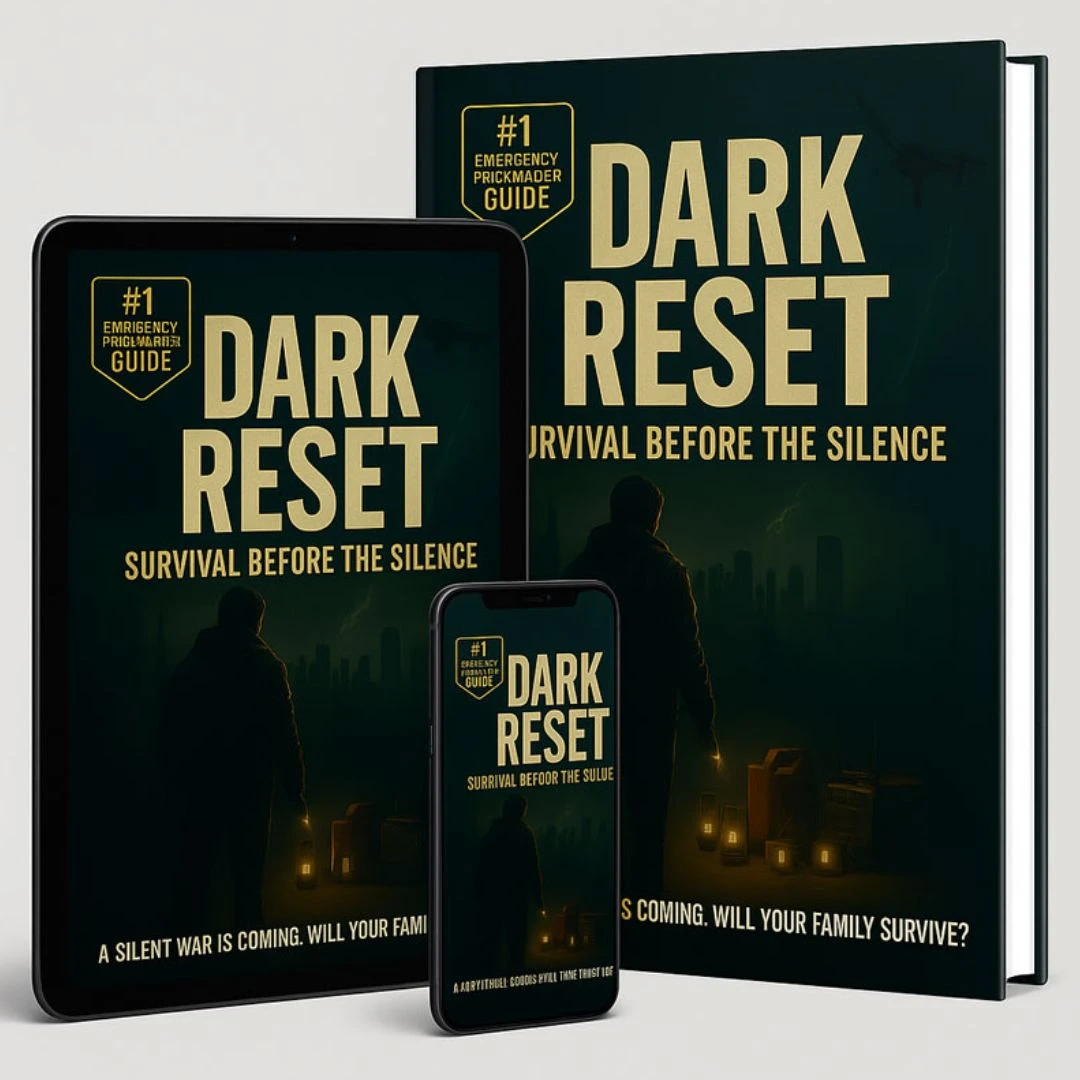
However, bridging the gap between understanding the threat and practical application requires a clear, step-by-step roadmap. You do not have to figure this out through trial and error when time is of the essence. To establish a truly secure foundation for your home, the next logical step is to arm yourself with the definitive guide: Dark Reset: Survival Before the Silence.
As illustrated in the product preview, this comprehensive digital manual is designed to be your ultimate emergency preparedness resource. It dives deep into the exact strategies needed to navigate a grid-down scenario, directly addressing the critical question posed on its cover: A silent war is coming. Will your family survive? By securing your copy of this guide, you gain immediate access to advanced protocols for off-grid water procurement, long-term food preservation, and tactical invisibility. Do not wait for the silence to act. Equip yourself with the right knowledge today, and transform your family's vulnerability into unwavering strength. Click the link Orden Now.