
 eBookDost
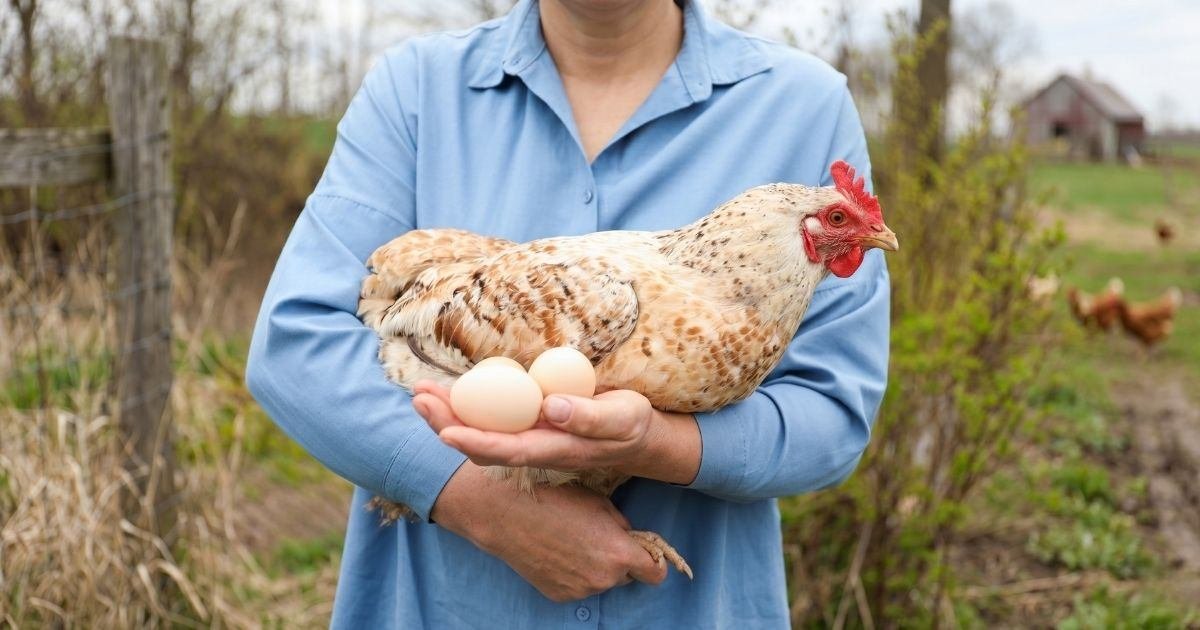
The smell of hot coffee in the morning and the peaceful walk to the backyard to collect fresh, nutritious eggs. It is a scenario that brings peace, a connection with nature, and a profound sense of self-sufficiency. However, between this initial desire and the reality of maintaining healthy birds, there is a gap filled with doubts. The excess of contradictory information on the internet can cause analysis paralysis. The fear of investing money in the wrong equipment, the concern about choosing unsuitable birds, and the constant dread of losing the animals to predators or disease are real obstacles. It is perfectly normal to feel insecure when you have no prior experience with livestock.
Raising backyard chickens requires planning, patience, and targeted knowledge. Many people start this project driven by excitement, buy materials on impulse, and weeks later, face problems that could have been easily avoided. The emotional cost of seeing an animal get sick due to poor management is high, as is the financial impact of rebuilding structures that failed. For the project to bring joy and consistent results, it is necessary to replace trial and error with a clear method, focused on the real needs of the birds and the reality of those starting from scratch.
What to Know Before Raising Backyard Chickens
Planning is the most important phase of the entire process. Before bringing any animal home, you must prepare the groundwork intelligently. Rushing is the main culprit for the financial losses faced by beginners. Assessing the available space, understanding the daily time commitment, and structuring a realistic budget are non-negotiable steps.
Often, frustration arises when the physical space is insufficient for the desired number of birds. Overcrowding causes stress, fights among the animals, and facilitates the spread of disease. Furthermore, it is essential to check your local municipal regulations. Some urban areas have strict rules regarding the number of birds allowed and severe restrictions on the presence of roosters due to noise. Planning ahead prevents fines and the heartbreak of having to rehome your newly acquired flock.
Making a Smart Initial Investment
The fear of wasting money is one of the biggest concerns for beginners. Agricultural supply stores are full of attractive products that promise miraculous conveniences but are rarely necessary in the first few months. A secure financial plan focuses exclusively on the essentials.
The primary investment should be directed toward building or purchasing a solid and secure shelter. Fragile structures are cheap initially but lead to irreparable losses when a predator manages to get in. Next, funds should cover proper feeders, quality waterers, and feed specifically formulated for the animals' life stage. Luxury items, such as poultry toys or expensive treats, can wait for a later time. The initial goal is to ensure survival, health, and safety.
Choosing the Ideal Chicken Breeds
A common mistake is selecting birds based solely on appearance. There are hundreds of variations, each with specific traits regarding temperament, climate resilience, and egg-laying volume. Buying birds without understanding these particularities can result in an aggressive flock that cannot withstand your region's climate or simply does not produce the expected amount of eggs.
For those seeking fresh eggs consistently, it is necessary to focus on lineages developed for high egg production. On the other hand, if the goal also involves interacting with children or having a more docile dynamic, the bird's temperament becomes the deciding factor. Skittish or overly restless animals make daily handling stressful.
Adapting to the Local Climate
Your region's climate dictates the rules when selecting animals. Some lineages have dense plumage and robust bodies, making them perfect for enduring harsh winters, but they suffer terribly in regions with extreme heat. Other birds are slender, lose body heat easily, and thrive in the heat, but their lives are at risk in areas with frequent frosts.
Understanding the average temperature of your backyard throughout the year is the safest filter to avoid making a poor choice. Birds adapted to the environment get sick less often, require fewer veterinary interventions, and maintain a stable laying routine. The health of the flock begins the moment you decide which animals will be part of it.
Building a Secure and Functional Chicken Coop
The birds' shelter is the heart of the entire project. It does not need to be luxurious or aesthetically perfect, but it must absolutely fulfill vital functions. The birds need a dry place, protected from biting winds, well-ventilated, and impenetrable against outside attacks.
Ventilation is a point frequently ignored by beginners. Poultry droppings release ammonia, a toxic gas that quickly damages the animals' respiratory systems if it accumulates in a closed environment. Air needs to circulate at the top of the shelter, carrying moisture and bad gases out, without creating cold drafts directly over the birds while they sleep.
Defending Against Poultry Predators
The feeling of powerlessness upon finding the shelter invaded by predators is devastating. Loose dogs, cats, foxes, possums, birds of prey, and even snakes see your birds as easy prey. Proper protection requires highly durable materials.
Standard chicken wire, sold in any hardware store, only serves to keep the animals contained within a space. It lacks the strength to stop a determined predator from tearing it or ripping it apart with its teeth. Using thick, welded wire mesh (hardware cloth) is essential on all openings, windows, and around the entire enclosure. Additionally, simple latches are not enough for cunning animals. Locks with carabiners or systems requiring complex movements are the only guarantee that the doors will remain closed during the night.
Another vital measure is burying part of the wire mesh around the perimeter of the run, creating an underground barrier. Many predators give up on jumping and try to dig under the fence. This buried barrier blocks access and ensures peaceful nights of sleep for you and the animals.
Chicken Feed and Continuous Hydration
Providing the correct nutrition is the central pillar for keeping the flock vigorous and ensuring the daily production of fresh eggs. The idea that these animals can live solely on human food scraps or by foraging around the yard is a dangerous myth that results in malnutrition and a halt in egg production.
Birds need a balanced diet of proteins, vitamins, and minerals, which changes according to their age. Chicks require a starter feed rich in protein for muscle and bone development. Growing birds need a different formulation, and laying hens require a specific layer feed with adequate calcium levels for eggshell formation.
In addition to the base feed, extra calcium supplementation in the form of oyster shells should be offered separately, allowing each bird to consume the amount its body requires. Providing grit is also vital for digestion, as birds do not have teeth and use small stones in their gizzards to grind up the ingested grains.
The Importance of Clean Water
Water is even more important than food. A bird can tolerate a few hours without feed, but a lack of clean water immediately affects its health and halts egg production for days. Waterers must be cleaned constantly, as contamination from droppings and dirt occurs very easily.
During the summer, water must be kept in the shade and refreshed to remain cool. Warm water discourages consumption, leading the animals to dehydration in a matter of hours. In the winter in cold regions, the main challenge is preventing the water from freezing. A careful, daily check of the waterers is an unavoidable routine.
Healthcare and Continuous Prevention
Treating sick animals is exhausting, expensive, and often ineffective. The secret to success lies in prevention and daily observation of the flock's behavior. An attentive keeper notices small changes in patterns long before a disease manifests severely.
Healthy birds are active, alert, scratch the ground constantly, and have bright eyes. Their feathers should be smooth and well-distributed, and their combs and wattles should have a vivid color. Any bird that isolates itself from the group, has ruffled feathers, shows lethargy, or refuses food must be immediately separated from the rest. This rapid isolation prevents contagious diseases from wiping out the entire flock.
The Dust Bath as a Hygiene Routine
A natural and essential behavior that surprises many beginners is the dust bath. Birds do not use water to clean their feathers. They dig shallow holes in dry dirt and toss fine dust all over their bodies. This process removes excess oil from the feathers and, more importantly, suffocates external parasites like mites and lice.
Ensuring that the birds have access to a spot with dry, loose dirt is a cheap and highly effective preventive measure. If the ground is too wet or restricted, creating a box with fine sand, clean wood ash, and food-grade diatomaceous earth will make a massive difference in the health of the animals' skin and feathers.
Proper Management Across the Seasons
Your flock's needs will change drastically as the seasons progress. Being prepared for these transitions prevents panic and suffering for the animals. There is no single approach that works from January to December without adaptations.
Strategies for Hot Days
Extreme heat is a silent and lethal enemy. Birds do not sweat like humans; they regulate their body temperature by panting and holding their wings away from their bodies. When the temperature rises too much, the risk of death from heat exhaustion is extremely high.
During these periods, providing dense shade is the top priority. The coop can turn into an oven during the afternoon, which is why birds prefer to stay outside, under trees or stretched tarps. Water must be abundant. Water-rich fruits, like chilled watermelon, help hydrate the flock and lower their body temperature. Freezing water bottles and placing them in the environment also helps cool the air near the ground.
Preparation for Cold Days
When temperatures plummet, the focus shifts to protection against drafts and moisture. A dry shelter with no biting winds at ground level is sufficient to keep most breeds comfortable, as their feathers act as excellent thermal insulation.
The common mistake during this phase is completely sealing the structure, eliminating top ventilation. This traps the moisture from the birds' breath and the gases from their droppings, creating the perfect environment for severe respiratory issues and frostbite on their combs. The rule is to keep the air circulating up high, but block any direct wind on the animals. Using artificial heat lamps inside wooden structures filled with dry straw is one of the leading causes of fires on rural properties and should be avoided or done with extreme rigor.
Collecting, Cleaning, and Storing Fresh Eggs
The reward for all the effort in planning, feeding, and healthcare arrives in the form of fresh eggs. To guarantee the quality and food safety of this wonderful product, collecting them should become a daily habit, preferably done more than once a day during periods of intense heat or extreme cold.
Clean nesting boxes lined with soft material, such as wood shavings or straw, encourage the birds to lay in the correct spot and prevent the eggs from breaking or getting soiled with droppings. Cracked eggs should be discarded immediately, as they are gateways for bacteria.
Many people have doubts about cleaning. If the egg is visually clean, there is no need to wash it. Freshly laid eggs have an invisible natural coating (the bloom) that protects the pores of the shell against the entry of bacteria. Washing the egg removes this protection, requiring it to be refrigerated immediately. If the shell is slightly dirty, dry cleaning it with a soft brush is the best option to keep the natural protection intact and ensure a longer shelf life in the pantry.
Consolidating Knowledge and Avoiding Frustrations
Success in managing small livestock is not just about luck. It is the direct result of consistent actions and the application of detailed guidelines. Starting with the right information eliminates the feeling of being overwhelmed. Instead of spending weeks researching dubious sources and testing uncertain techniques, focusing on getting the basics right brings peace of mind.
Keep in mind that each step, from building the barrier against attacks to choosing the right feed, builds the foundation of a safe environment. A beginner's anxiety disappears when there is a clear action plan. Knowing exactly what to buy prevents wasted money and ensures that the birds will have everything they need from day one.
The positive side of seeking structured knowledge before acting is predictability. You begin to understand the signals the animals give, resolve minor problems before they turn into disasters, and develop confidence in your backyard management skills.
In the end, the effort turns into a routine. The initial work of setting up a secure structure, choosing the right lineage, and establishing hygiene protocols blends into everyday life. Before long, daily management will take only a few minutes. What remains is the immense satisfaction of tending to your own food production, respecting the animals, and having the certainty that you are providing them with the highest possible quality of life. With dedication, patience, and the correct guidance, the project ceases to be a daunting challenge and becomes one of the most rewarding activities of your daily life.
Conclusion: Turning Knowledge Into Action
The decision to raise backyard chickens is more than just a new hobby; it is a profound step toward a more sustainable, grounded, and rewarding lifestyle. As we have explored, the journey from setting up an empty coop to the simple joy of collecting your first fresh egg is paved with crucial decisions. It is completely natural to feel a mix of excitement and apprehension when taking on the responsibility of living animals. However, the difference between a stressful ordeal and a peaceful daily routine lies entirely in how you prepare.
You do not have to navigate this learning curve alone, nor should you have to rely on scattered, contradictory advice that leads to costly trial and error. The most successful poultry keepers are those who organize their steps and build a secure foundation before the birds even arrive.
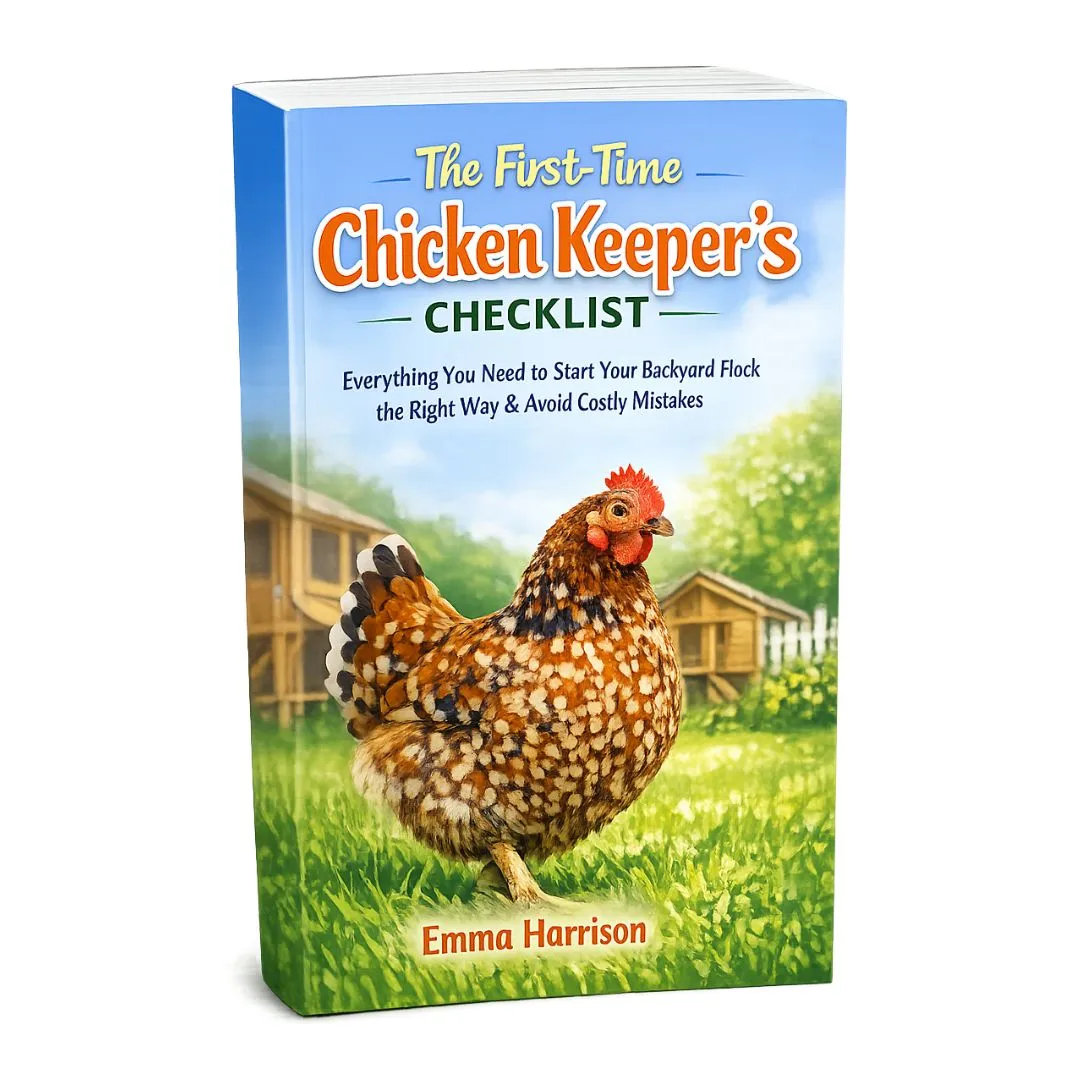
To help you seamlessly bridge the gap between theory and practical application, we highly recommend "The First-Time Chicken Keeper's Checklist."
This comprehensive digital product is designed to remove the guesswork from your planning phase. It serves as your step-by-step roadmap, ensuring that no critical detail is overlooked from verifying the exact gauge of your predator-proof wire to organizing your daily maintenance routine. By following a structured, expert-driven checklist, you guarantee that every safety, health, and nutritional requirement is met efficiently.
Start your journey on a foundation of certainty. Equip yourself with the right organizational tools, eliminate beginner's anxiety, and watch as your backyard transforms into the thriving, productive haven you envisioned.